


Souvenir Guide (Vietnam), Vietnamese Snacks & Food
Vietnamese Seasonings as Souvenirs | How to Choose and Where to Bu
Jul
When it comes to souvenirs from Vietnam, popular choices include handicrafts, snacks, and local foods. YUGOC’s raw honey and macadamia nuts are among our most popular gourmet gifts.
In this guide, we’d like to introduce another great souvenir option—Vietnamese seasonings. By bringing home the everyday condiments used in Vietnamese kitchens, you can recreate authentic Vietnamese dishes long after your trip has ended.
YUGOC, a Vietnamese souvenir brand, offers its products at stores in Ho Chi Minh City, Hanoi, and Da Nang. We also provide direct delivery to your hotel, making it easy for travelers to receive their orders during their stay.
Why Are Vietnamese Seasonings Popular Souvenirs?
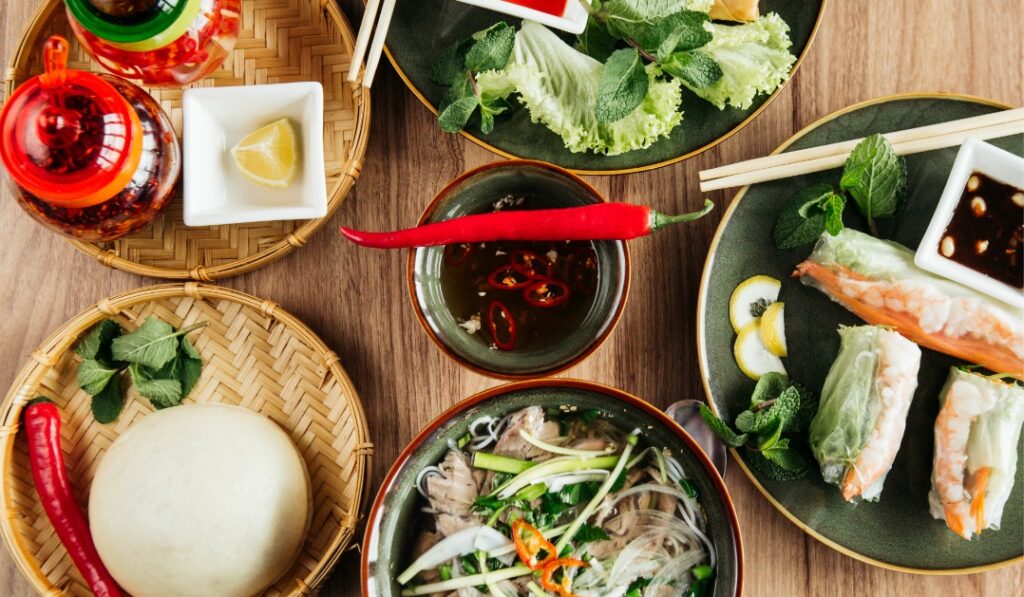
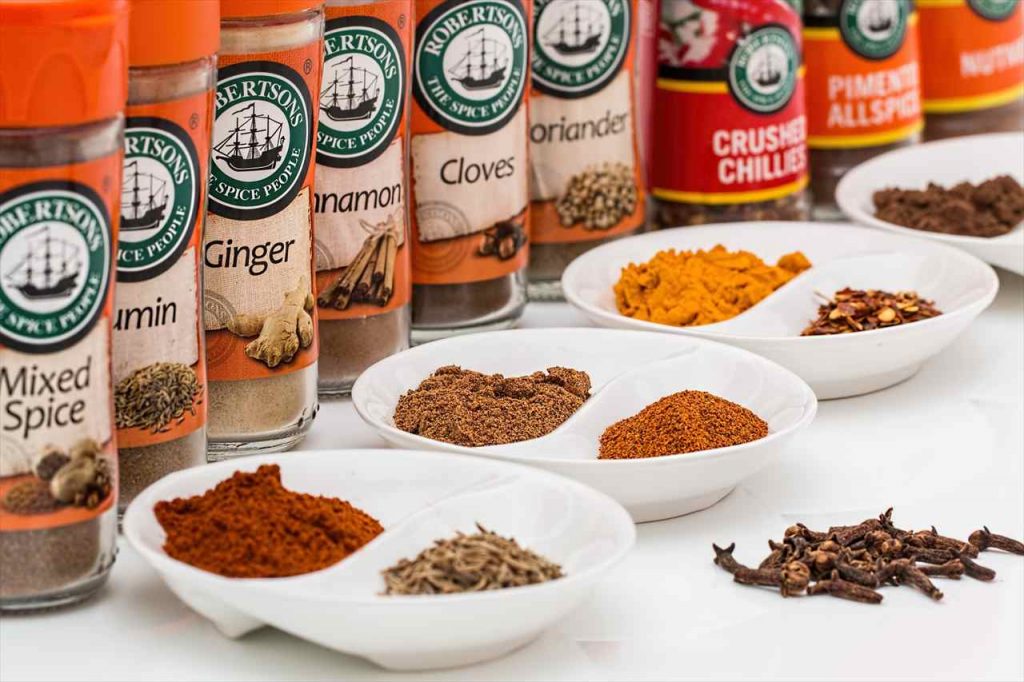
Alongside handicrafts and snacks, Vietnamese seasonings have become an increasingly popular souvenir in recent years. They are easy to find in supermarkets and local markets, allowing travelers to bring home the authentic flavors of Vietnam.
Here are some of the reasons why Vietnamese seasonings make such great souvenirs.
Affordable, Easy to Buy, and Perfect for Sharing
One of the biggest advantages of Vietnamese seasonings is their affordable price. Most products cost only a few dozen to a few hundred yen, making them ideal for buying in bulk as gifts for friends, family, or coworkers.
Many bottles are compact and easy to pack in a suitcase. With proper protection against leaks, they can be transported safely. Powdered and paste-style seasonings are also widely available, offering even lighter and more convenient options.
If you’re looking for an authentic Vietnamese souvenir that won’t take up much luggage space, seasonings are an excellent choice.
The Secret to Recreating Authentic Vietnamese Flavors
When cooking Vietnamese dishes at home, the hardest part is often getting the seasoning right. Even with the same ingredients, it’s difficult to recreate authentic flavors without the seasonings commonly used in Vietnam.
Popular choices such as fish sauce (nuoc mam), Vietnamese soy sauce (nuoc tuong), and chili sauce can be used in stir-fries, braised dishes, dipping sauces, and many other recipes. They make it easy to enjoy the taste of Vietnam long after your trip.
The right seasoning can completely transform a dish, making it one of the most practical and memorable souvenirs to bring home. That’s why many repeat visitors to Vietnam choose local seasonings every time they travel.
Vietnamese Seasonings | Best Souvenirs to Buy in Vietnam
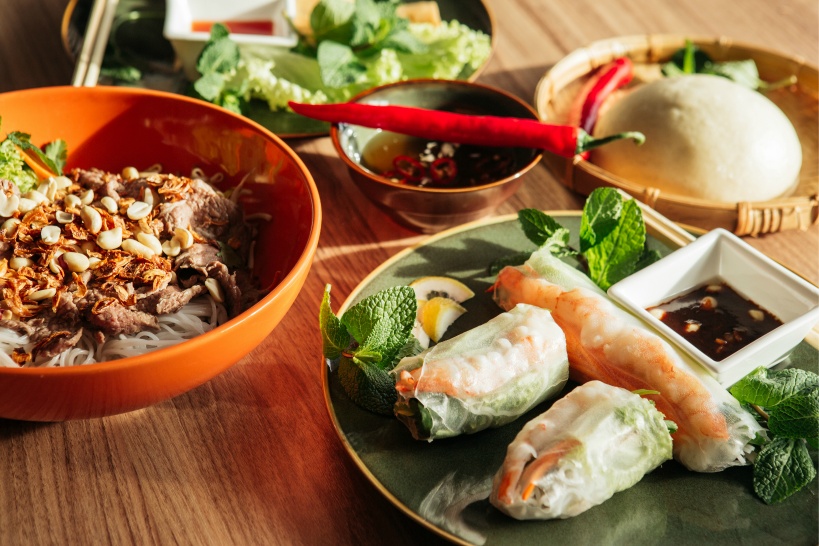
Vietnam’s supermarkets, local markets, and souvenir shops offer a wide variety of local seasonings. Among them, we’ve selected seven of the most popular and practical options that make excellent souvenirs.
Each one captures the unique flavors of Vietnam and makes it easy to recreate authentic Vietnamese dishes at home.
Vietnamese Seasoning #1: Nuoc Mam (Fish Sauce)
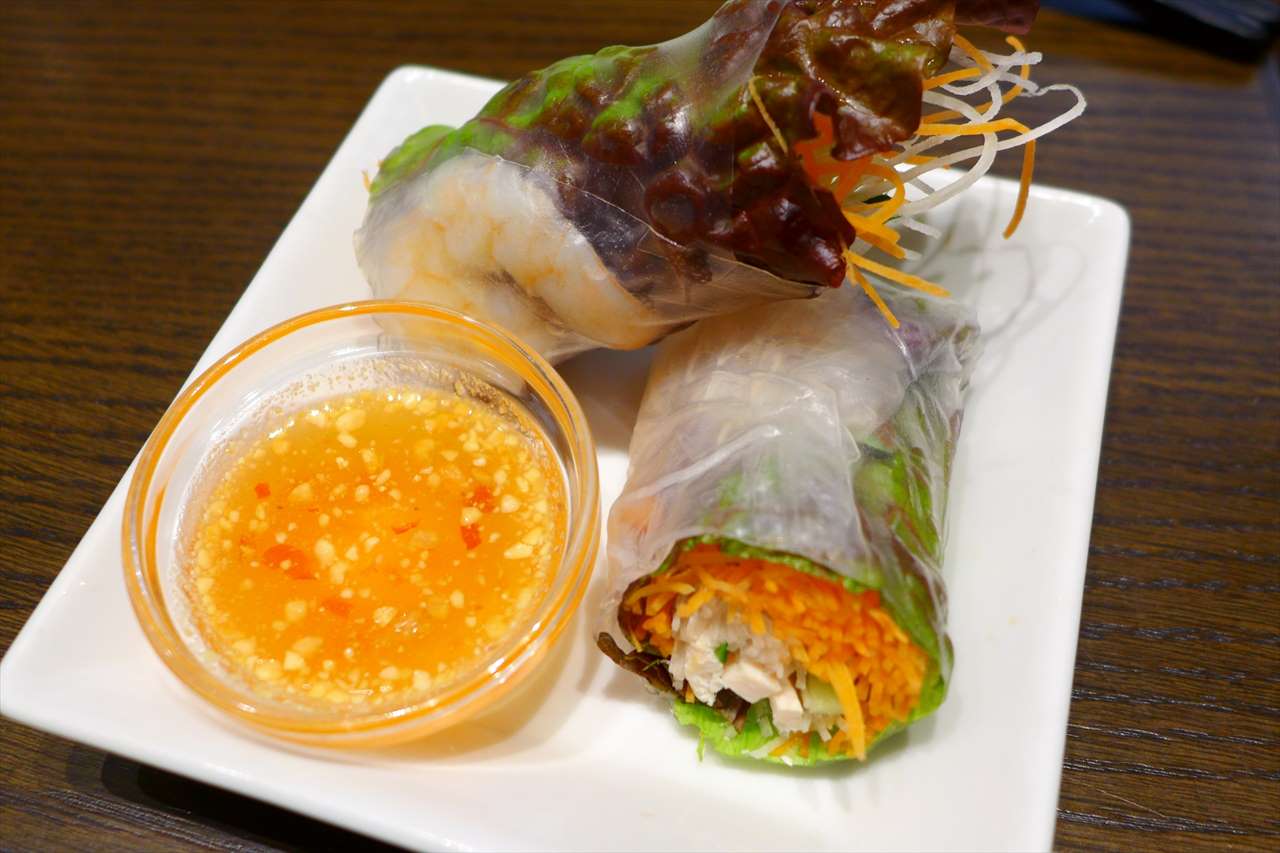
Nuoc Mam is the most iconic of all Vietnamese seasonings. This traditional fish sauce is made by fermenting small fish over a long period and is an essential ingredient for adding rich umami flavor to stir-fries and braised dishes.
When used as a dipping sauce, it is commonly mixed with lime juice, sugar, and chili to create Nuoc Cham, a classic Vietnamese condiment. For souvenirs, premium varieties with a high protein content of around 40° are especially popular.
Although Thailand’s Nam Pla is similar, the two sauces differ in the types of seafood used during the fermentation process.
Vietnamese Seasoning #2: Nuoc Tuong (Vietnamese Soy Sauce)
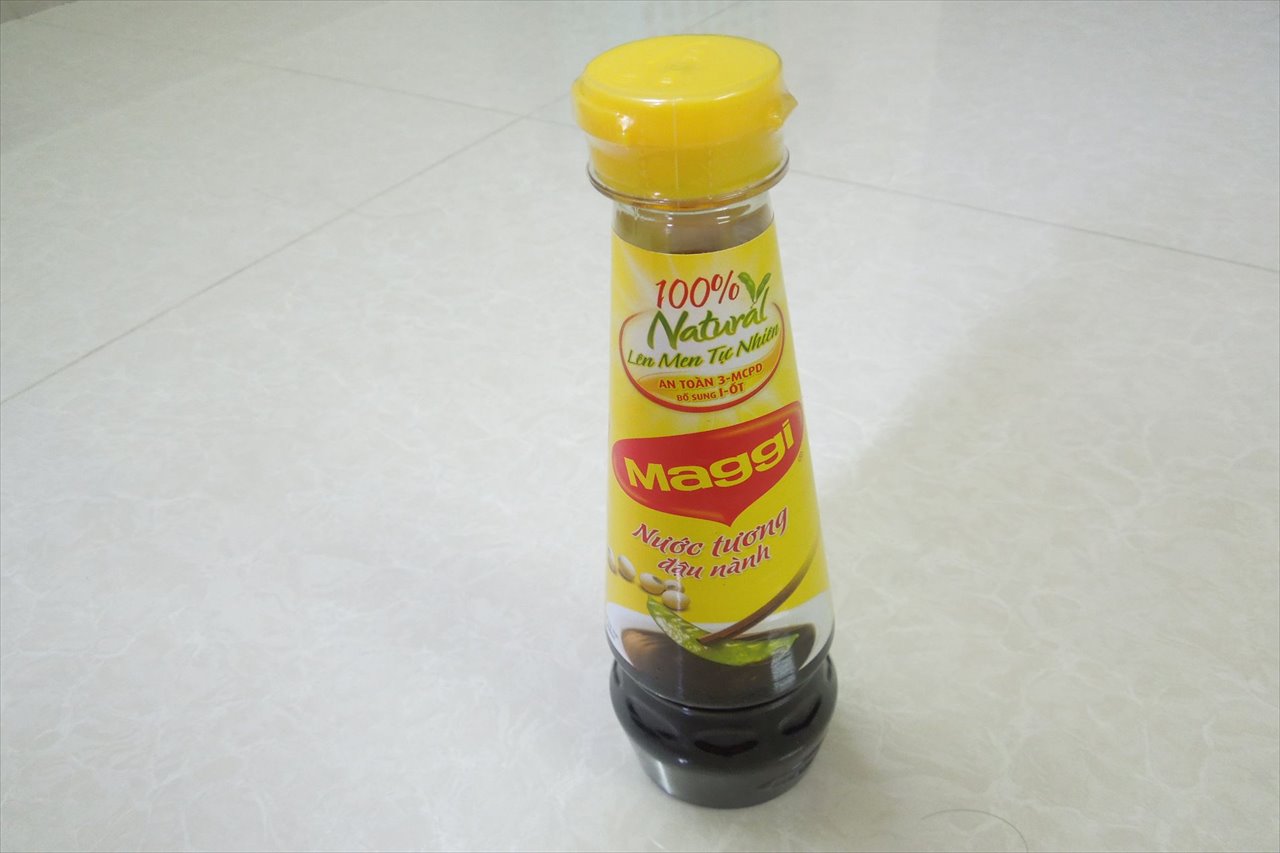
Nuoc Tuong is Vietnam’s version of soy sauce. While it looks much like regular soy sauce, it has a milder flavor with a subtle sweetness. In fact, many Vietnamese people use it more often than fish sauce. It is a versatile seasoning that works well in stir-fries, dipping sauces, soups, and many other dishes.
Because it pairs well with a wide range of cuisines, Nuoc Tuong is an excellent choice for anyone trying Vietnamese seasonings for the first time. Start by adding it to braised fish or fried noodles for an authentic Vietnamese touch.
Vietnamese Seasoning #3: Green Chili Paste
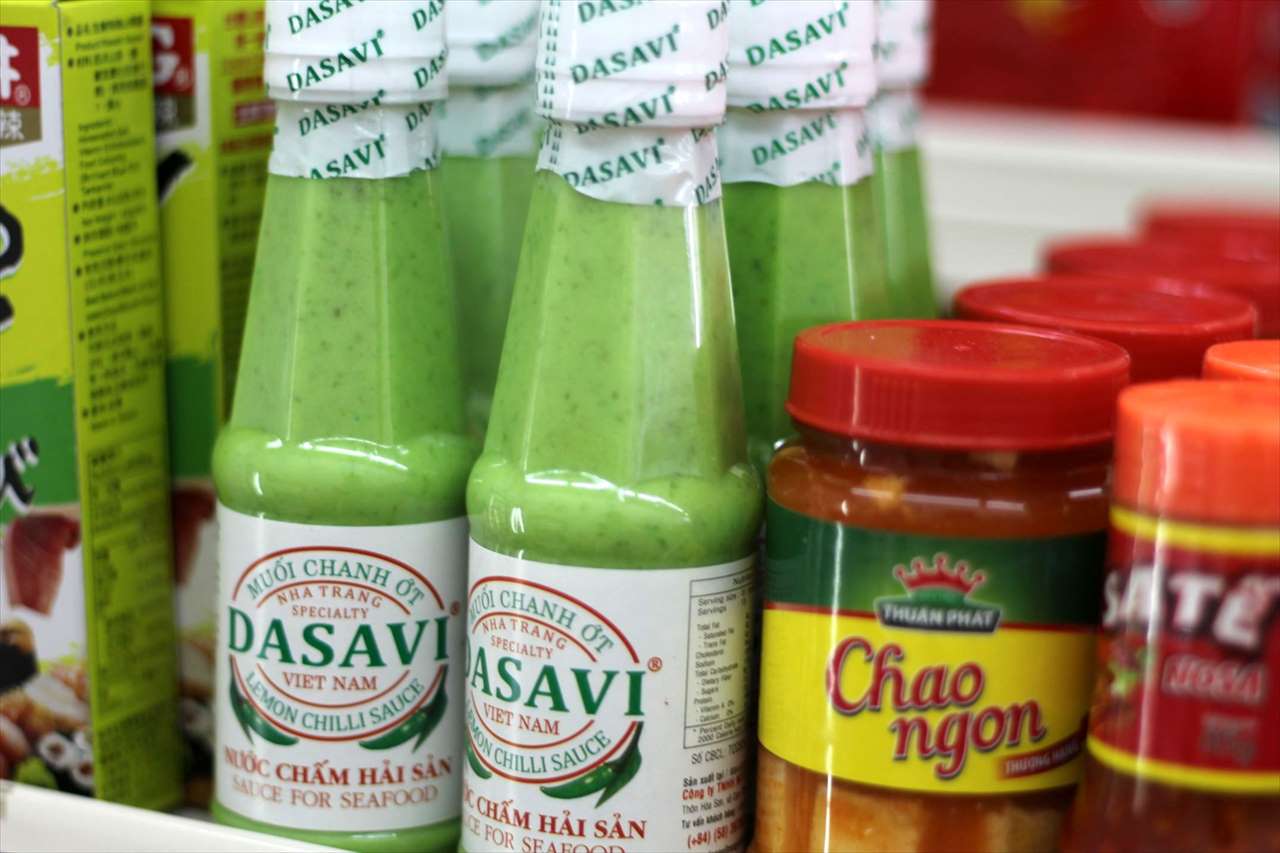
Bright green chili paste has become a favorite condiment for grilled meat lovers. It delivers a bold spicy kick balanced by a subtle sweetness, making it an excellent match not only for Vietnamese dishes but also for grilled meats and barbecue.
It’s a great souvenir for anyone who enjoys spicy food and is especially popular with those who want to recreate Korean-style BBQ or add extra flavor to meat dishes at home.
Vietnamese Seasoning #4: Lime Salt & Chili Salt
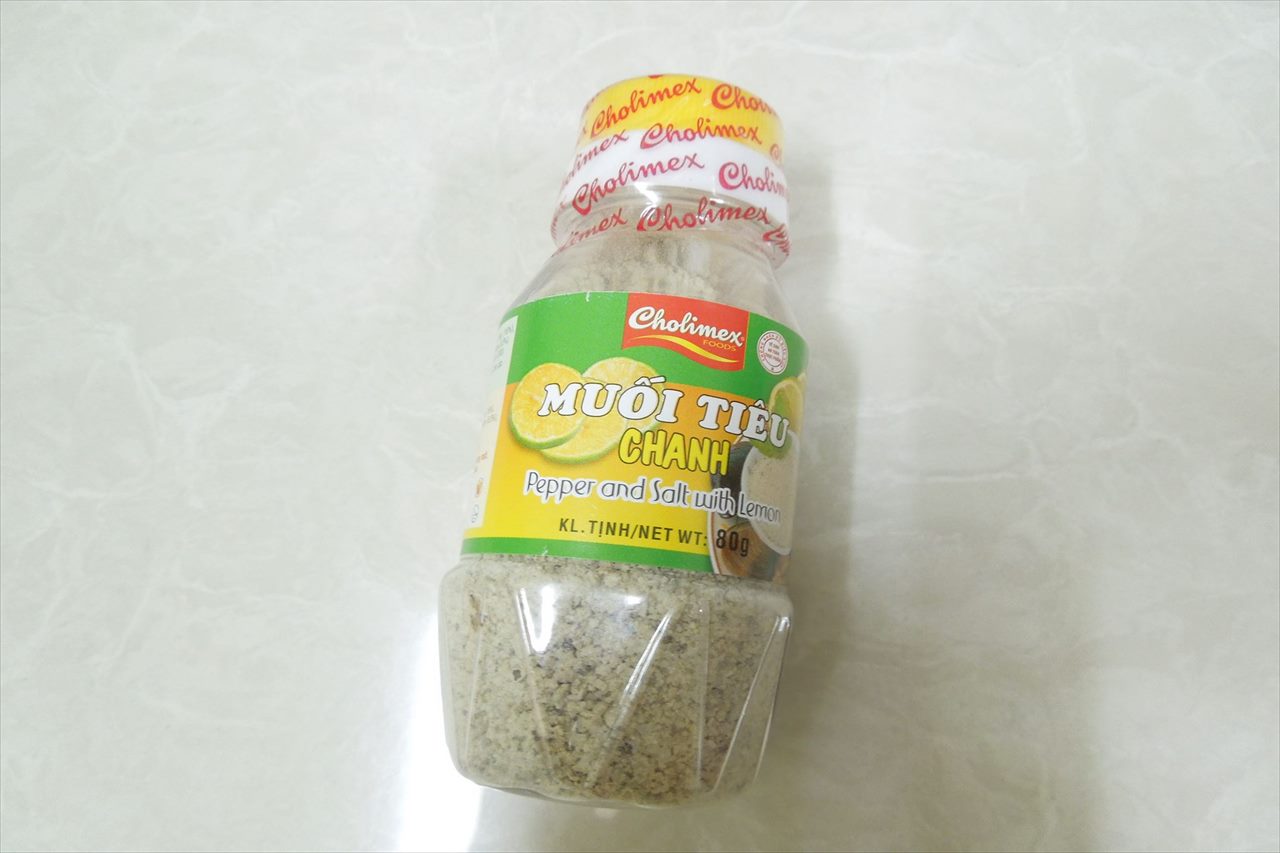
Lime Salt and Chili Salt are popular powdered seasonings in Vietnam, traditionally sprinkled over fresh fruit. They are especially popular souvenirs among female travelers. The combination of tangy lime, savory salt, and a touch of chili heat also makes them a great match for snacks and fried foods.
Lightweight and easy to pack, these seasonings offer excellent value at around US$0.35–0.70 per packet.
Vietnamese Seasoning #5: Chili Sauce
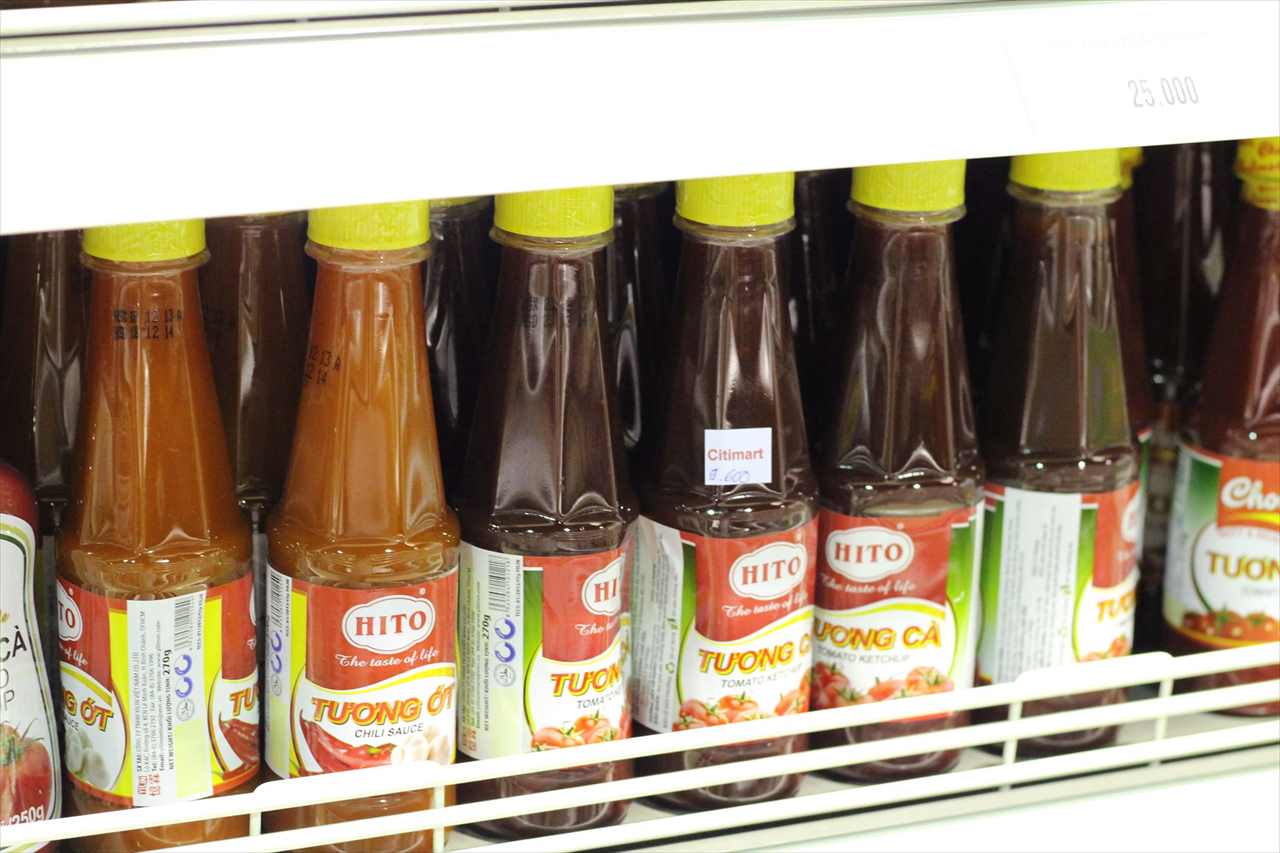
Chili sauce is one of the most common condiments in Vietnam, used much like ketchup in everyday meals. It is typically served with fried foods, noodle dishes, and French fries.
Rather than being overwhelmingly spicy, Vietnamese chili sauce offers a balanced sweet-and-spicy flavor that appeals to many international visitors. Its affordable price also makes it a great choice for buying several bottles as souvenirs for friends and family.
Vietnamese Seasoning #6: Sa Tế (Vietnamese Chili Oil)
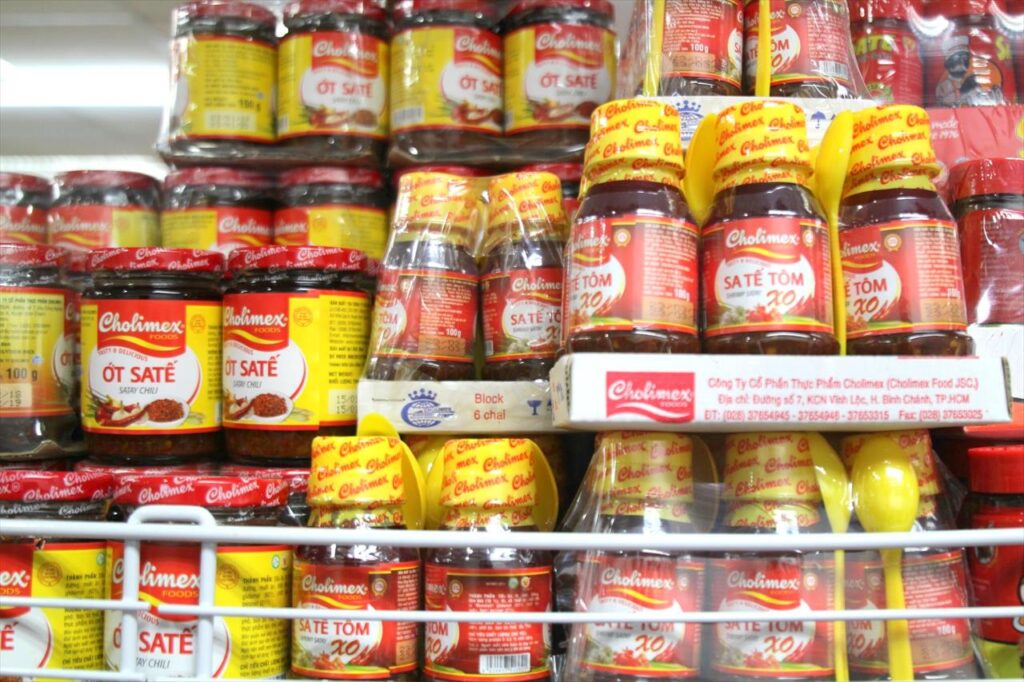
Sa Tế is a flavorful Vietnamese chili oil made by cooking chili peppers, garlic, lemongrass, and other aromatic ingredients in oil. Its rich, spicy flavor makes it a popular addition to pho, noodle dishes, stir-fries, and many other Vietnamese recipes.
In Vietnam, Sa Tế is commonly found as a table condiment at pho restaurants. Its versatility and authentic flavor have made it an increasingly popular souvenir among travelers.
Vietnamese Seasoning #7: Palm Sugar
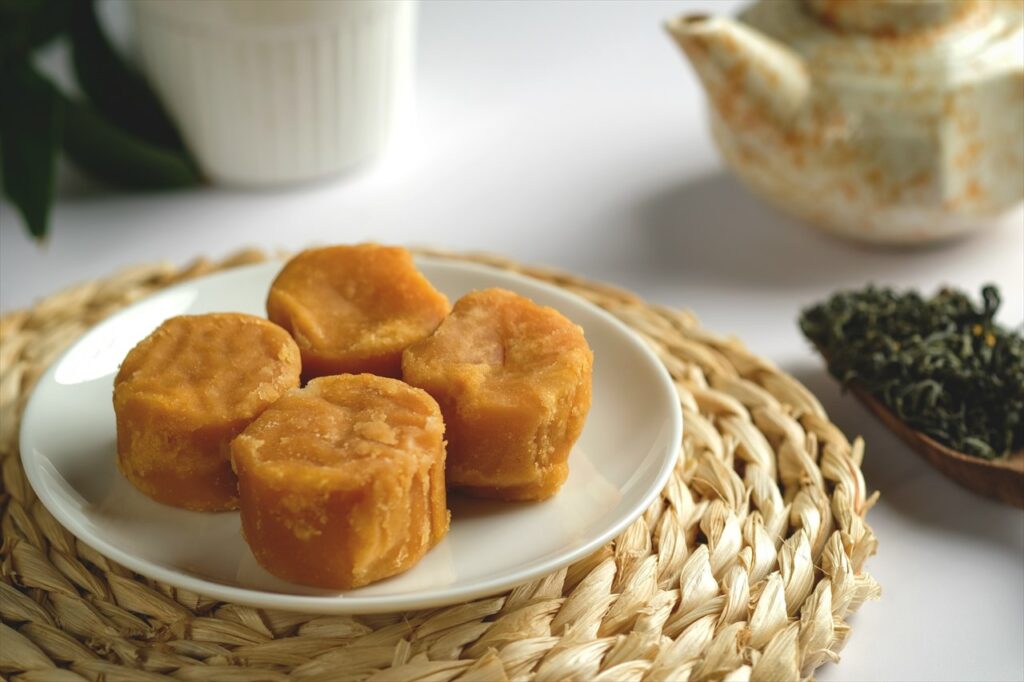
Palm sugar is made by slowly simmering the sap of palm trees. As a natural sweetener with a low level of processing, it has become a popular souvenir among international travelers.
YUGOC’s palm sugar has a lighter, cleaner sweetness than conventional palm sugar. It can be used as a cooking ingredient or enjoyed on its own as a sweet snack. If you’re looking for a souvenir that truly captures the tropical flavors of Southeast Asia, palm sugar is an excellent choice.
▶ Learn more about traditional Vietnamese sweets
Are Vietnamese Seasonings Spicy? Understanding Their Unique Characteristics
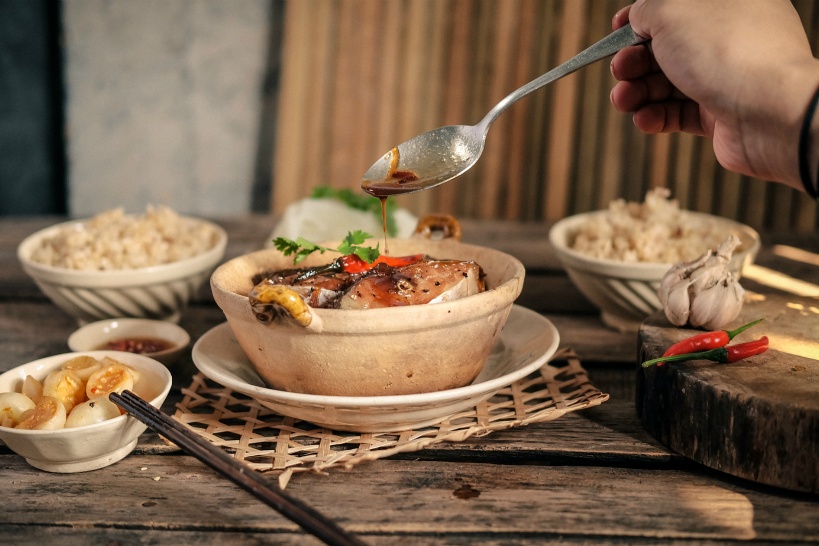
Many people associate Southeast Asian cuisine with spicy food. However, Vietnamese seasonings have their own unique character. Rather than focusing on heat, most Vietnamese condiments are designed to enhance umami, making them approachable and enjoyable for people from around the world.
Let’s take a closer look at two key characteristics of Vietnamese seasonings.
Vietnamese Cuisine Is Built on Broth and Fish Sauce
The foundation of Vietnamese cooking is broth and fish sauce. Unlike cuisines such as Thai or Indonesian, which rely heavily on aromatic spices, Vietnamese dishes are built around rich broths made from beef or chicken bones and the deep umami of fish sauce (Nuoc Mam).
As a result, many Vietnamese household seasonings emphasize balance, depth, and savory flavor rather than intense heat or strong aromas. Condiments such as Nuoc Mam and Nuoc Tuong are widely used in stir-fries, braised dishes, soups, and dipping sauces, enhancing the natural flavor of ingredients without overpowering them.
Instead of relying on spiciness, Vietnamese cuisine creates its signature taste through a combination of flavorful broths and fermented seasonings.
Customize the Flavor at the Table
Another distinctive feature of Vietnamese cuisine is the tradition of adjusting the flavor at the table. At local restaurants and street food stalls, dishes are often served with a relatively mild base seasoning, while a variety of condiments are placed on the table.
Fresh chilies, lime, vinegar, chili sauce, and Nuoc Cham (a fish sauce–based dipping sauce) allow each diner to season the food according to their own taste. In other words, the spiciness and acidity are usually added after the dish is served.
Because of this dining culture, Vietnamese seasonings are generally not overly spicy, making them easy for international visitors to enjoy. This is one of the reasons why Vietnamese cuisine is often considered one of the most approachable cuisines in Southeast Asia.
By using Vietnamese seasonings at home, you can recreate this tradition of customizing flavors and enjoy experimenting with different taste combinations at the dining table.
Where Should Travelers Buy Vietnamese Seasonings?
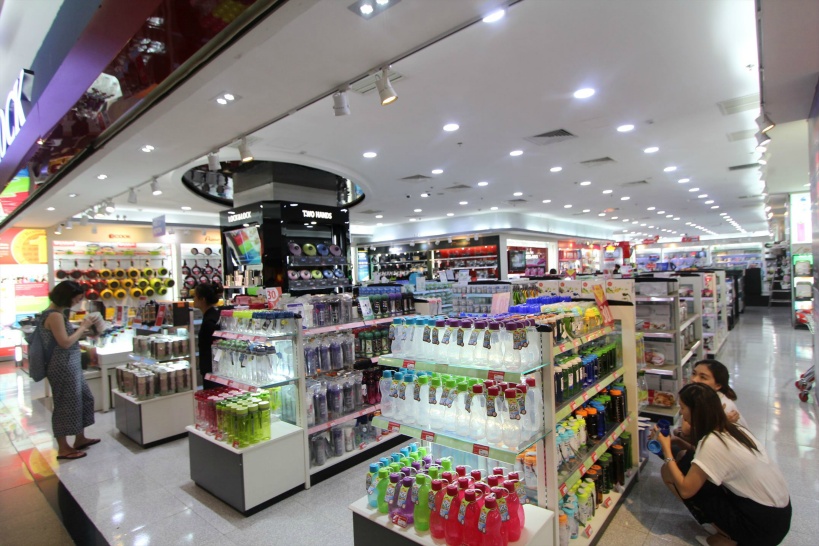
If you’re planning to buy Vietnamese seasonings as souvenirs, you may be wondering where the best place to shop is. In major cities such as Ho Chi Minh City and Hanoi, you’ll find plenty of options, including supermarkets, local markets, and souvenir shops, each with its own advantages.
Here’s a comparison to help you choose the best place based on what you’re looking for.
Supermarkets, Local Markets, or Souvenir Shops? Comparing Your Options
The three main places to buy Vietnamese seasonings are:
- Supermarkets (such as Co.opmart, GO!, and LOTTE Mart)
Clean, well-organized, and easy to shop in. Prices are clearly displayed, and you’ll find a wide selection of popular local brands. Most supermarkets also accept credit cards, making them a convenient choice for travelers. - Local markets (such as Ben Thanh Market in Ho Chi Minh City and Han Market in Da Nang)
Ideal if you want a more authentic local shopping experience. You may discover unique seasonings from regional producers, and bargaining is sometimes possible when buying multiple items. However, it’s worth paying attention to packaging condition and product storage. - Souvenir and specialty shops (including airport shops and tourist-area stores)
These stores often offer beautifully packaged products designed as gifts. While prices tend to be higher, they are an excellent option if presentation is important.
Each option has its own strengths, so the best choice depends on your budget, shopping style, and who you’re buying souvenirs for.
Conclusion: Tips for Buying Vietnamese Seasonings as Souvenirs
Vietnamese seasonings have become especially popular among female travelers, while business travelers often buy them in bulk as inexpensive gifts for coworkers. Their affordable prices are certainly one of their biggest attractions.
However, while they make excellent souvenirs for yourself, they may not be the best choice as gifts for others. Many people may not know how to use them, and some seasonings have distinctive flavors or strong aromas that may not suit everyone’s taste.
If you’re planning to buy Vietnamese seasonings, they’re best enjoyed as a personal souvenir. They allow you to recreate authentic Vietnamese dishes at home and bring back the flavors of your trip long after you’ve returned.
Frequently Asked Questions About Vietnamese Seasoning Souvenirs
If you’re thinking about bringing Vietnamese seasonings home as souvenirs, here are answers to some of the most common questions. Learn about their flavors, the most popular products, and how to take them home safely.
Are all Vietnamese seasonings spicy?
No. Most Vietnamese seasonings focus on umami rather than heat, using ingredients such as broth and fish sauce. Since it’s common to adjust the flavor at the table, the overall level of spiciness is usually quite mild.
Which Vietnamese seasonings are most popular with international visitors?
Some of the most popular choices include Nuoc Mam (fish sauce), Nuoc Tuong (Vietnamese soy sauce), green chili paste, and lime salt. These seasonings are easy to use in home cooking and make practical souvenirs.
Where is the best place to buy Vietnamese seasonings?
If you’re looking for the best value, supermarkets are the most convenient choice. If you prefer a more authentic shopping experience, local markets are also worth visiting.
Are seasonings sold in Vietnamese supermarkets safe to use?
Yes. Most seasonings sold in supermarkets are commercially produced under consistent quality standards. When shopping, check the expiration date and choose products with clearly labeled manufacturers.
Can I bring liquid seasonings such as fish sauce home?
Yes. As long as the bottles are securely sealed, they can be packed in your checked luggage. To prevent breakage or leaks, it’s recommended to wrap each bottle in a plastic bag or other protective packaging.
What should I keep in mind when buying Vietnamese seasonings as gifts?
Some Vietnamese seasonings have distinctive aromas and flavors that may not appeal to everyone. For gifts, it’s best to choose attractively packaged products or versatile seasonings such as chili sauce that are easy for most people to enjoy.
How long do Vietnamese seasonings last?
Most Vietnamese seasonings have a shelf life of six months to over a year. Bottled, paste, and powdered products are especially well suited for travel and storage. Be sure to check the expiration date before purchasing.